





One day your child happily eats broccoli. The next day, they refuse anything green, demand only crackers, and somehow survive on three bites of rice all day.
Sound familiar?
Many parents worry when their child suddenly becomes a “picky eater.” Questions like “Is my child eating enough?” or “Am I doing something wrong?” are incredibly common during the early years.
The good news is that many feeding behaviours — including food refusal, changing appetites, and strong food preferences — are actually a normal part of development.
Understanding your child’s feeding journey can help make mealtimes less stressful and more enjoyable for the whole family.
Feeding Is About More Than Just Food
Nutrition plays an important role in supporting a child’s growth, brain development, immunity, and energy levels. But feeding is not only about what children eat — it is also about how they eat, how they learn independence, and how they build a lifelong relationship with food.

Turn every family mealtime into a moment of connection — not a battleground (Image generated by AI)
From milk feeds to self-feeding with tiny spoons, every stage brings new learning experiences for children and parents alike.
0–6 Months: Milk Meets Every Nutritional Need
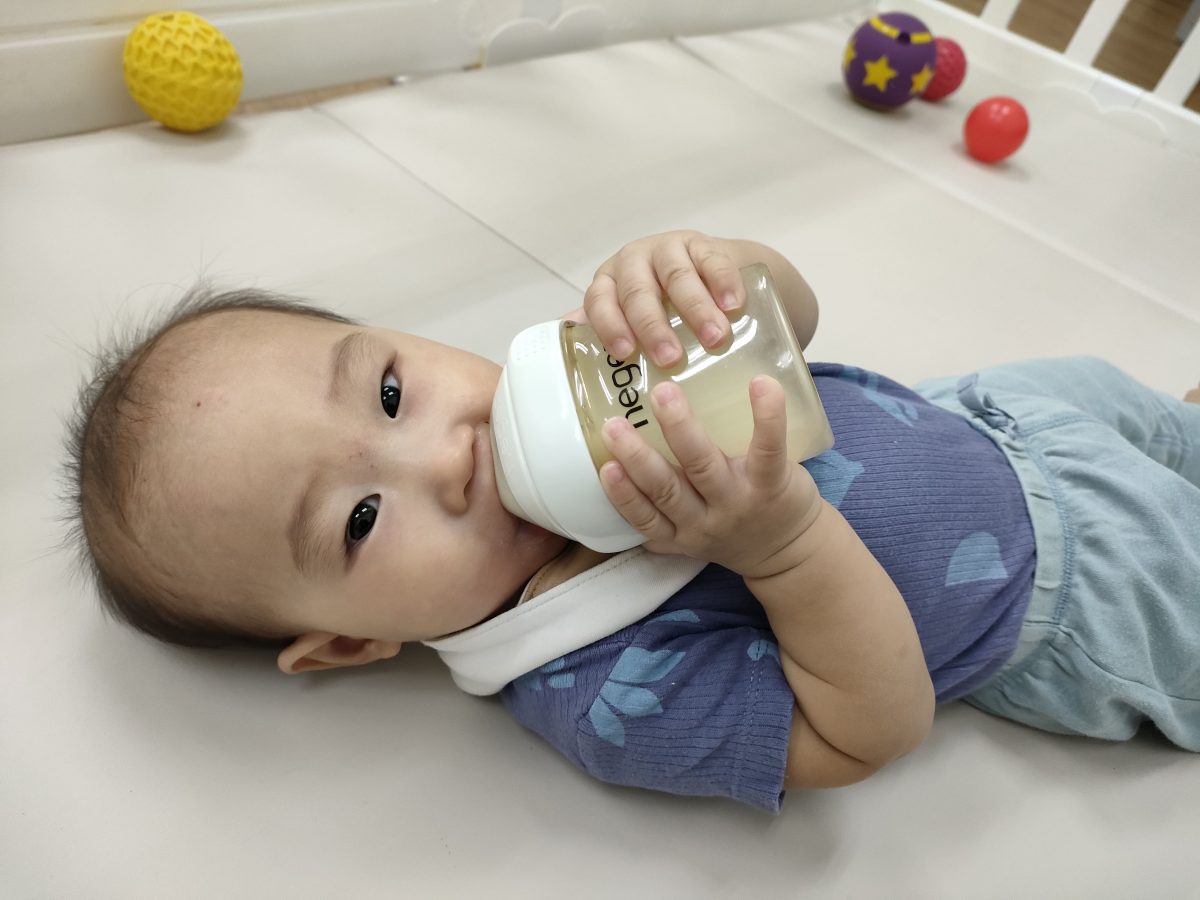
Supporting infants with attentive, care, warmth and responsive feeding practices
During the first six months, babies receive all the nutrients they need through breastmilk or infant formula. At this stage, solids and water are generally unnecessary.
Babies communicate through hunger and fullness cues rather than words. Hungry babies may:
- Suck on their fists
- Fuss or cry
- Turn towards feeding
When full, babies may:
- Turn their head away
- Close their mouth
- Lose interest in feeding
Feeding during this stage is also about comfort, bonding, and helping babies feel secure.
7–9 Months: Exploring Food for the First Time
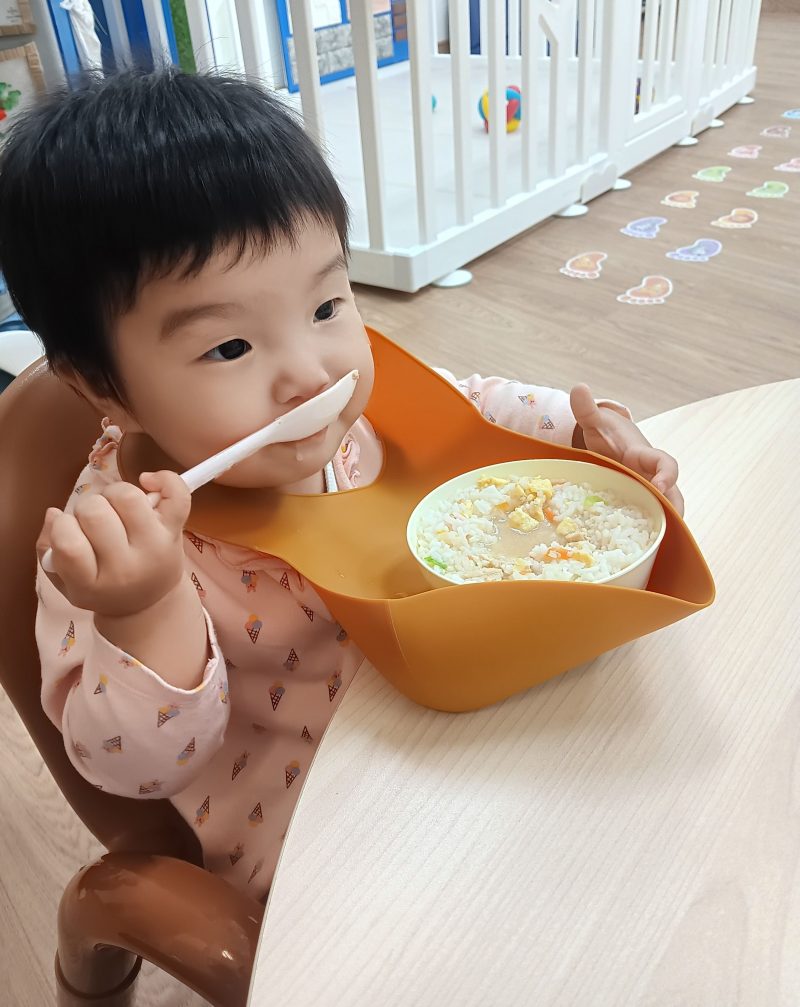
Mealtimes are more than feeding – they are moments of learning and connection
This is when mealtimes start getting exciting — and messy.
Babies begin trying purees, mashed foods, and soft solids while continuing milk feeds. Many also start experimenting with self-feeding by grasping food with their fingers.
At this stage, food is not just about nutrition. It is also about exploration:
- New textures
- New tastes
- New smells
- Learning how chewing and swallowing work
Parents are encouraged to avoid adding sugar or strong seasoning so children can become familiar with natural flavours.
Small sips of water can also be introduced during meals.
10–12 Months: Little Ones Want to Do It Themselves
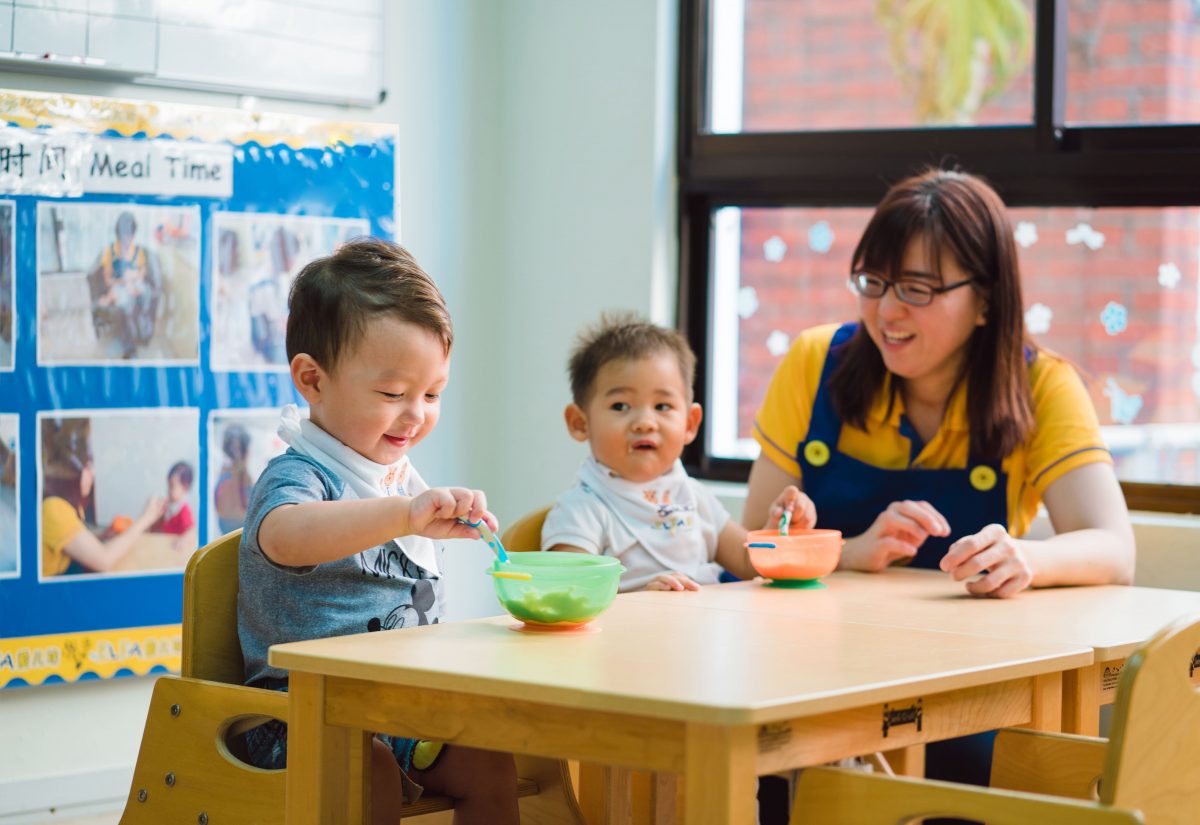
Encouraging independent eating supports growing curiosity and healthy development
As babies approach their first birthday, many become more independent eaters. They may:
- Eat chopped foods
- Try different textures
- Use cups or utensils
- Want to self-feed
This is also when appetites may start fluctuating. Some days children eat surprisingly well, while other days they seem uninterested in food altogether.
This is often completely normal.
Growth slows slightly after infancy, so toddlers may naturally eat less than parents expect. Their appetite can also vary depending on sleep, activity levels, mood, and teething.
13–23 Months: Welcome to the Picky Eater Stage
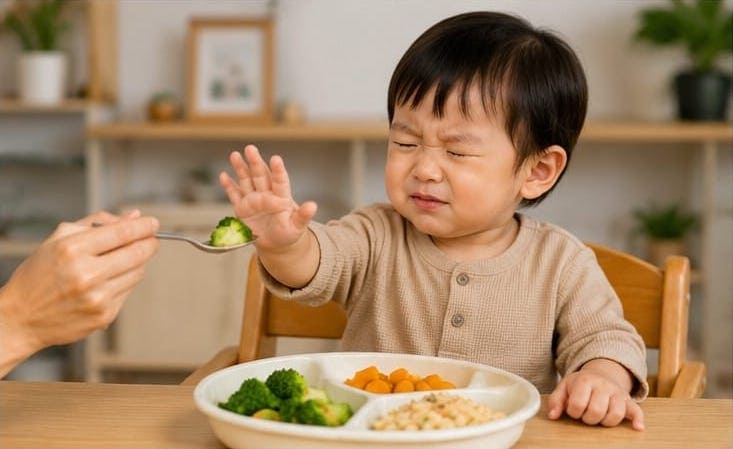
Picky eating is often a phase – patience and calm go a long way (Image generated by AI)
This is the stage many parents know all too well.
Toddlers begin developing strong preferences and opinions about food. A child who loved eggs yesterday may suddenly reject them today for no clear reason.
Picky eating often happens because toddlers are:
- Developing independence
- Testing boundaries
- Becoming more aware of textures and flavours
- Learning they can say “no”
The key is to stay calm and avoid turning mealtimes into battles.
Instead:
- Continue offering a variety of foods
- Keep mealtimes positive
- Avoid pressuring or bribing children to eat
- Remember that repeated exposure helps
It can take many tries before a child accepts a new food.
After 12 months, children can usually transition to whole cow’s milk or fortified plant-based milk. Formula milk is generally unnecessary unless advised by a healthcare professional.
3–5 Years: Building Healthy Habits That Last
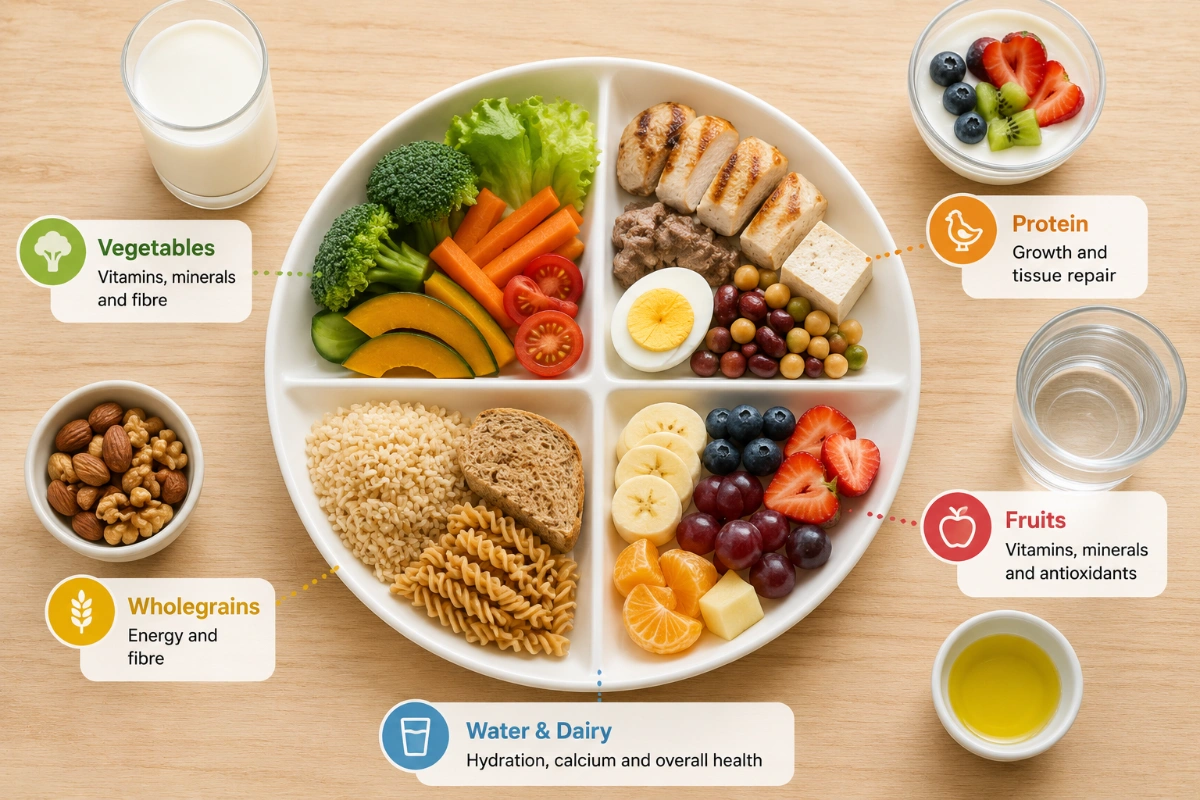
Encouraging variety and healthy food choices during the preschool years supports growth and development (Image generated by AI)
Preschoolers become increasingly independent and begin forming long-term eating habits.
This is a great time to:
- Encourage balanced meals
- Introduce a variety of foods
- Limit sugary snacks and drinks
- Establish regular meal routines
- Model healthy eating as a family
Children learn by observing adults. Family mealtimes and positive food experiences can strongly influence how children view food as they grow.
Learning to Trust Hunger and Fullness Cues
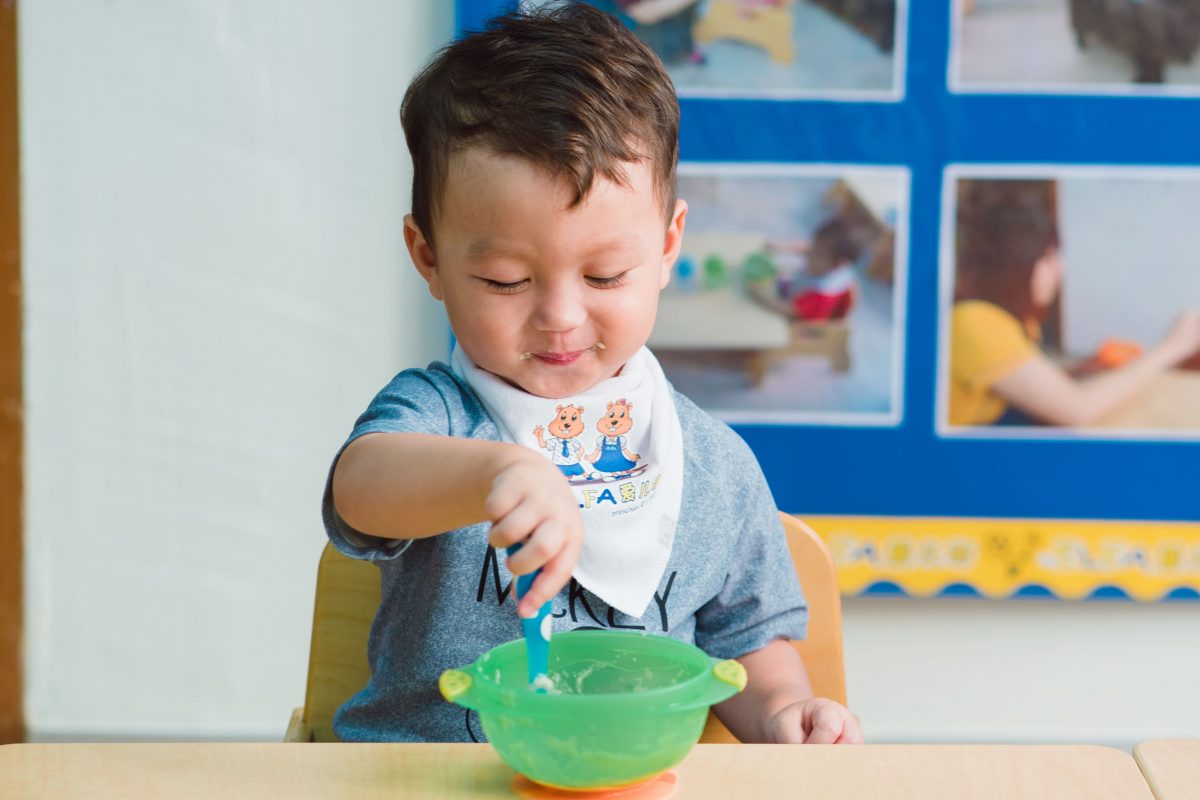
Mealtimes become more meaningful when children are trusted to listen to their own hunger cues and serve themselves
One of the most important parts of healthy feeding is recognising your child’s hunger and fullness cues.
Children are naturally able to regulate how much they need to eat when given supportive feeding environments.
Rather than focusing on getting children to “finish everything,” parents can focus on:
- Offering nutritious meals
- Providing structured meal and snack times
- Allowing children to decide how much to eat
This helps children build a healthier relationship with food and reduces stress around mealtimes.
What About Food Allergies?
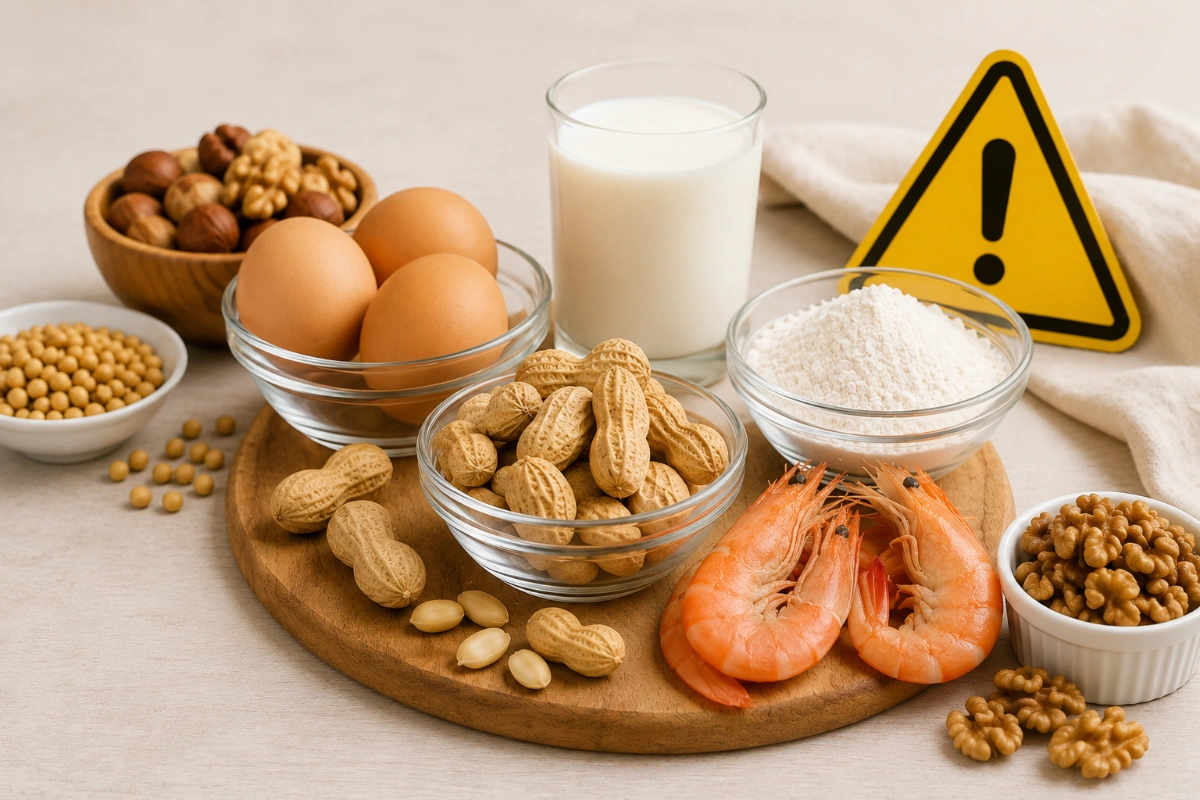
Monitoring reactions carefully helps create safer and more positive mealtime experiences (Image generated by AI)
Many parents worry about introducing allergenic foods such as eggs and peanuts. Research suggests that introducing common allergens early, as part of complementary feeding, may help reduce the risk of food allergies.
When introducing new foods:
- Offer one new food at a time
- Watch for reactions
- Monitor for symptoms such as rashes, swelling, vomiting, or difficulty breathing
Seek medical attention immediately if severe allergic reactions occur.
Every Child’s Feeding Journey Is Unique
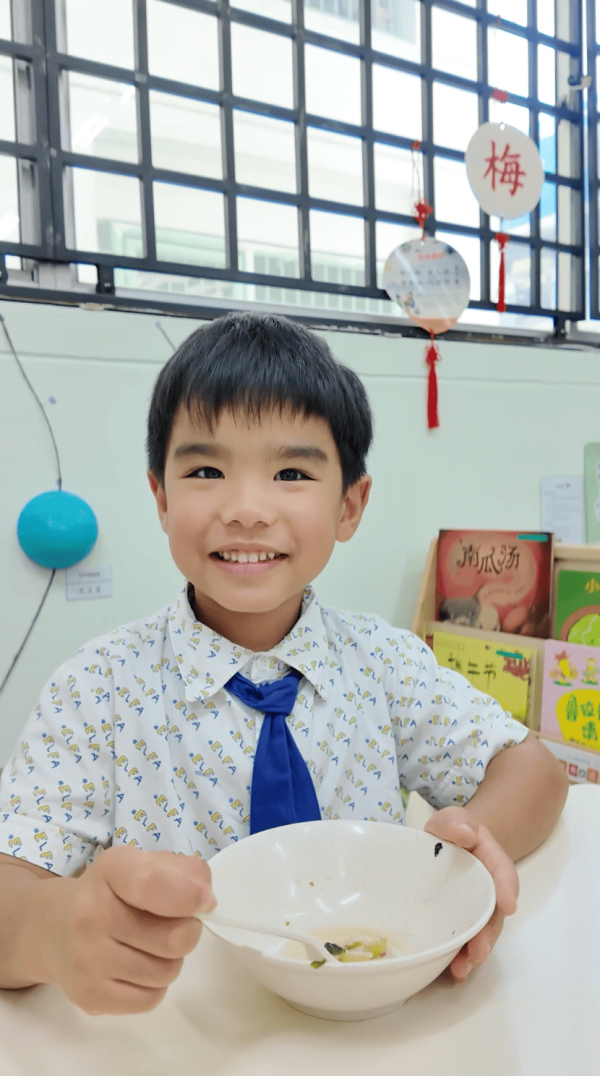
Happy mealtimes, happy children
Some children love trying new foods. Others need more time and reassurance.
Some days your child may eat everything on the plate. Other days, they may survive on two strawberries.
That is often part of normal childhood development.
Instead of aiming for perfect meals, focus on creating positive experiences around food. Celebrate small wins — the first spoonful, the first self-fed bite, the first time your child tries something new.
Because every bite, every messy mealtime, and every tiny milestone is part of your child’s incredible journey of growth.
This article is contributed by:
Ms. Zolynne Tan
Head of Food, Nutrition and Hygiene
Summary of Feeding Journey
| Age | Food Consumption | Nutrition | Hunger Cues | Satiety Cues |
| 0–6 months | Fully breastmilk or formula-fed. | Provides all essential nutrients for growth. Solids or water are not needed. | Sucks on fists, fusses and cries, moves head toward spoon. | Turns head away, closes mouth. |
| 7–9 months | Introduce purees, soft solids; continue milk.
Tries to grasp food and self-feed. |
Weaning foods offer new nutrients. Avoid sugar and seasoning. Small sips of water can begin. | Reaches for or points to food, opens mouth. | Pushes food away, closes mouth. |
| 10–12 months | Eats chopped food with hands, uses sippy cup. | Texture and variety increase. Nutrient diversity is key. | Shows excitement, uses gestures or sounds. | Eating slows down, and hand motions or sounds are used. |
| 13–23 months | Eats most family foods, uses utensils. Introduce full cream cow’s or fortified plant milk. | Balanced meals and milk support strong bones and development. Light seasoning may be introduced. | Start to sound the food name or use words. | Shakes head and says “no”. |
| 3–5 years | Eats independently; develops preferences. | A balanced diet is essential. Limit sugar and monitor sodium. | Typically communicated verbally or with gestures. | |
References
- Health Promotion Board – Childhood Healthy Diet
- Health Promotion Board – Taking Care of Your Baby (0–6 Months)
- Health Promotion Board – Healthy Meals in Preschool Programme
- KK Women’s and Children’s Hospital – The Forbidden Food
- KK Women’s and Children’s Hospital – Food Allergy Study
- NHS – Types of Formula Milk
- CDC – Signs Your Child Is Hungry or Full