





To adults, Chinese New Year often feels like a marathon of logistics—spring cleaning, grocery runs, meal planning, and carefully timed visits.
But to a preschooler, it is nothing short of magical.
Almost overnight, familiar spaces are transformed. Red lanterns appear where none existed before. Homes fill with the comforting aroma of festive treats. Conversations are sprinkled with “lucky words,” and every greeting feels special.
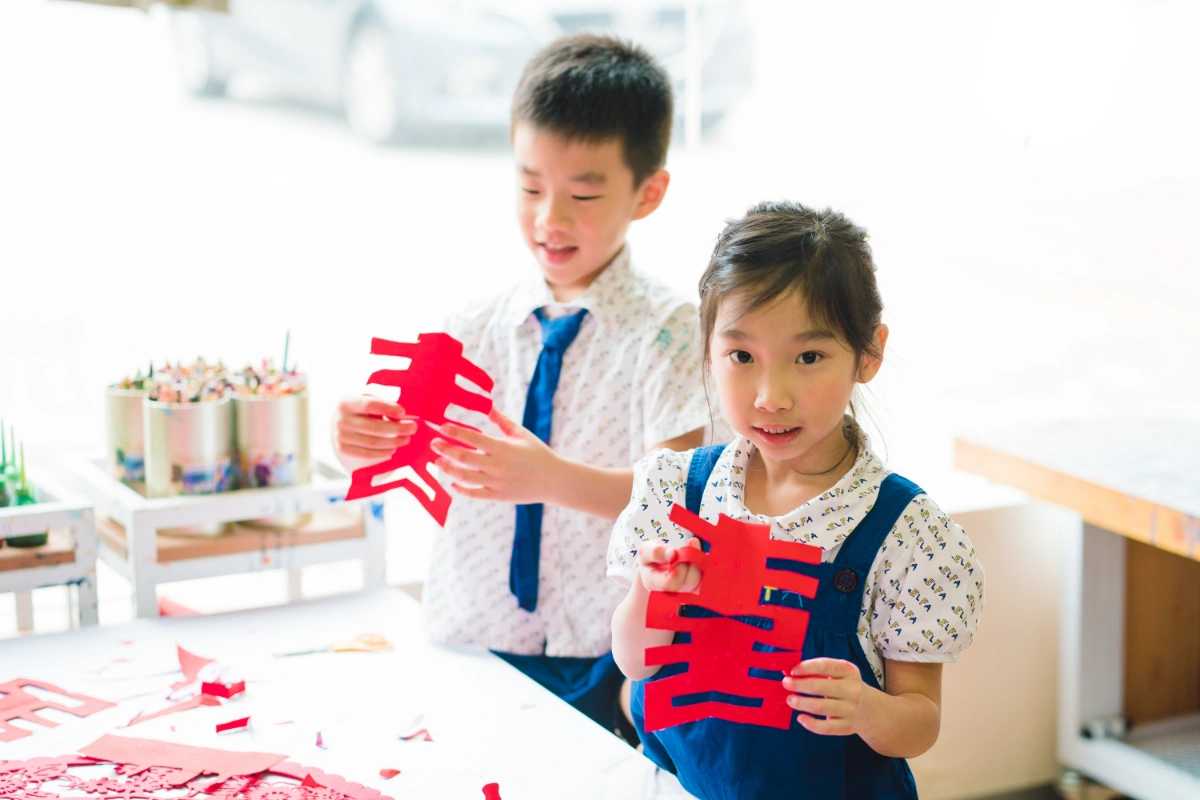
ELFA children exploring the art of paper cutting and creating Chinese prosperity symbols
At ELFA Preschool, we see these festive weeks not just as a celebration, but as a living, breathing classroom—one where culture, language, and values come alive through everyday experiences. Our bilingual approach ensures that children engage with Chinese traditions in both Mandarin and English, strengthening language skills while connecting deeply with their heritage.
The Art of the Zodiac: “Which Animal Are You?”
The Chinese Zodiac (十二生肖) captivates young minds through its colourful characters and rich storytelling. Central to this is the Great Race, a classic folktale that explains how the 12 animals earned their places in the zodiac.
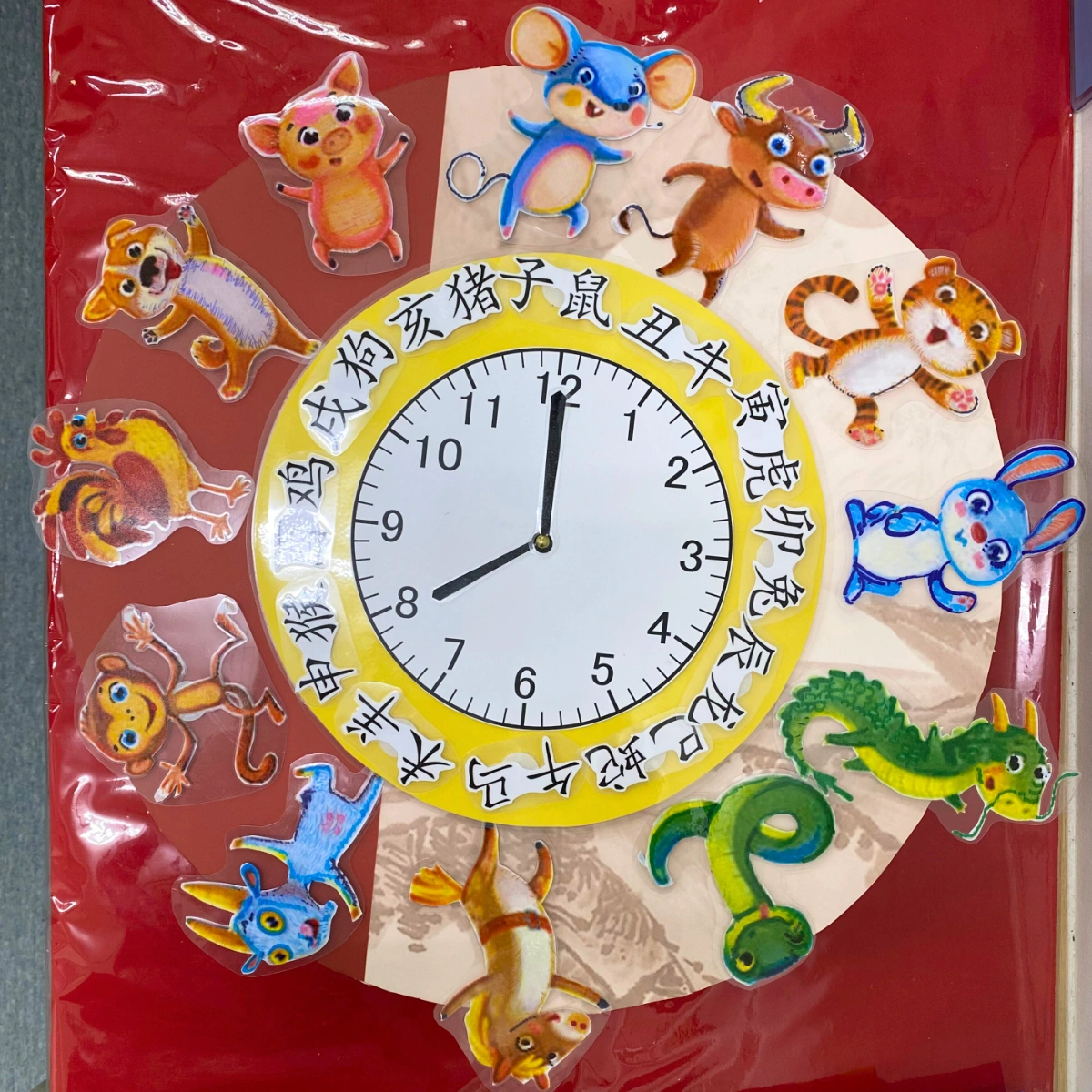
ELFA children explore the Chinese Zodiac through creative artwork, guided by our educators
Beyond sparking curiosity, the story teaches young children about cause-and-effect thinking: clever choices help some animals succeed, while impatience or pride slow others down. It also weaves in moral lessons such as perseverance, cooperation, honesty, and kindness, showing children how values are embedded in cultural stories.
The Great Sweep: Out with the Old, In with the New
In the days leading up to Chinese New Year, families begin Spring Cleaning (大扫除 – Dàsǎochú). Rooted in the belief that sweeping away misfortune from the past year makes space for new beginnings, this tradition symbolizes renewal, responsibility, and hope.
For young children, these small acts of cleaning become a meaningful way to take part in the tradition. By helping to put away toys or wipe tables, they learn that creating a fresh start begins with care for their surroundings—turning cultural belief into everyday action.
Of Monsters and Bravery: The Legend of Nian
Every tradition has a story, and the Chinese New Year’s most iconic tale is that of Nian (年), the mythical beast that feared loud noises, bright lights, and the colour red. This legend explains why homes are decorated in red, why drums beat loudly, and why firecrackers crackle with energy.
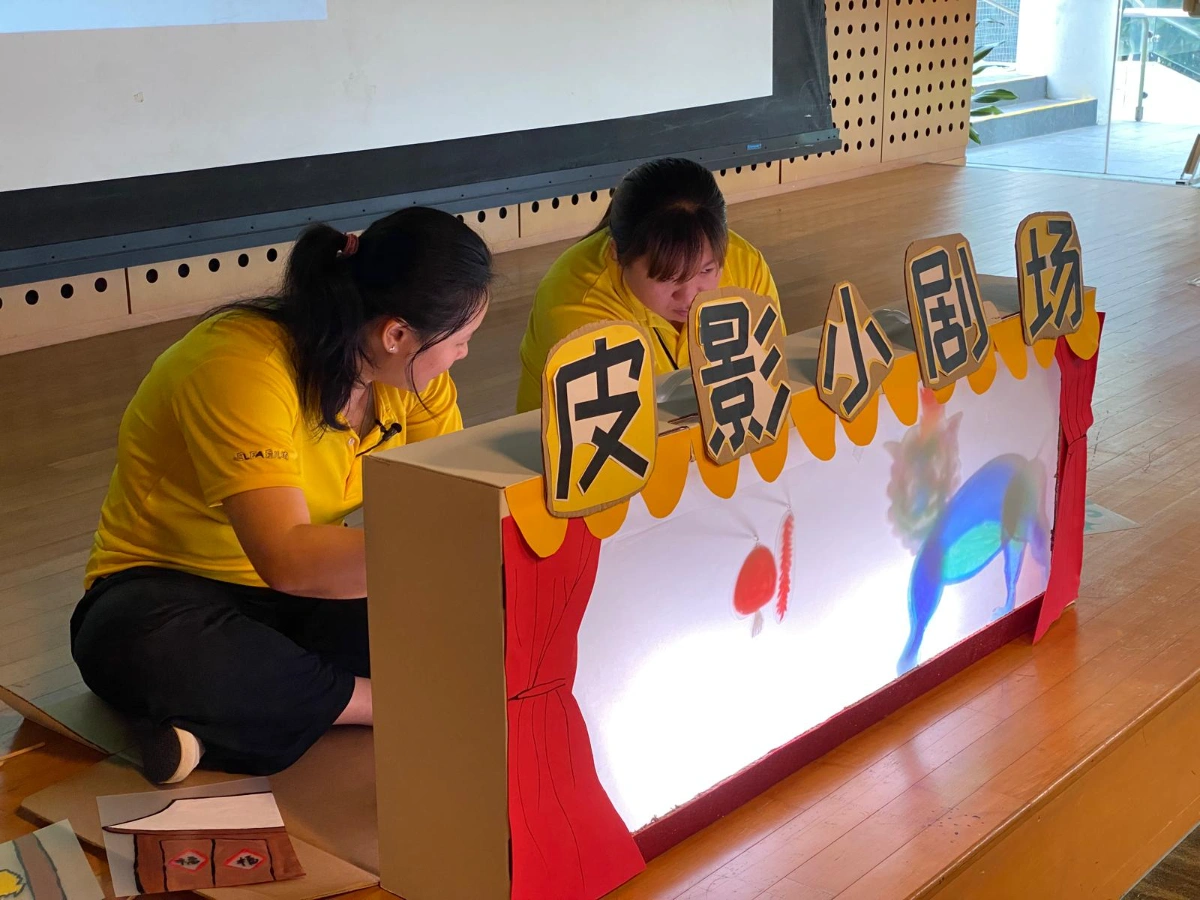
Through tales and storytelling, ELFA children immerse themselves in the Chinese culture. On 7 February 2026, ELFA educators brought the story of Nian to life through a puppet show for children and their families at the Jurong Library, sparking curiosity, laughter, and festive cheer
At ELFA Preschool, such stories are brought to life through storytelling, drama, and play-based learning, where children learn culture through imagination, movement, and language practice—both in Mandarin and English.
The Reunion Table: A Lesson in Belonging
The Reunion Dinner (团圆饭) is the emotional heart of Chinese New Year, symbolizing far more than festive food. Traditionally held on Chinese New Year’s Eve, it is a time when families travel long distances to celebrate togetherness and the importance of family bonds.
At its core, the reunion dinner embodies filial piety (孝 – Xiào), teaching respect, gratitude, and care for elders. Shared dishes, seating arrangements, and serving elders first reinforce harmony, unity, and mutual respect.
Each dish carries its own significance:
- Fish (鱼 – Yú) symbolizes abundance and surplus.
- Nian Gao (年糕) represents growth and progress year after year.
- Vegetable Medley (什锦蔬菜) reflects cleansing, balance, and a fresh beginning for the new year.
Through this tradition, children learn to appreciate gratitude, strengthen family connections, and understand how cultural symbols convey meaningful values.
Ang Bao: Small Packets, Big Lessons
To children, red packets or commonly known as Ang Bao (红包) are pure excitement—the bright red packets, the surprise inside, and the joy of being noticed by loved ones.
Yet beyond the thrill lies a rich cultural lesson in gratitude, respect, and intention.
Traditionally, Ang Bao is not about the money, but the well-wishes it carries. Red symbolizes protection, happiness, and good fortune, while giving represents an elder’s hope for a child’s health, growth, and success.
At ELFA, children practise giving and receiving Ang Bao with correct etiquette, greeting elders with auspicious phrases in both English and Mandarin, and using both hands when accepting Ang Bao. These small actions teach mindfulness, courtesy, and bilingual expression, turning cultural practice into meaningful learning.
Tea Serving: Small Gestures, Deep Respect
Tea serving (敬茶) is one of the most meaningful yet gentle traditions of Chinese New Year. When children offer tea to elders, they are not just pouring a drink—they are expressing respect, gratitude, and well-wishes for the year ahead.
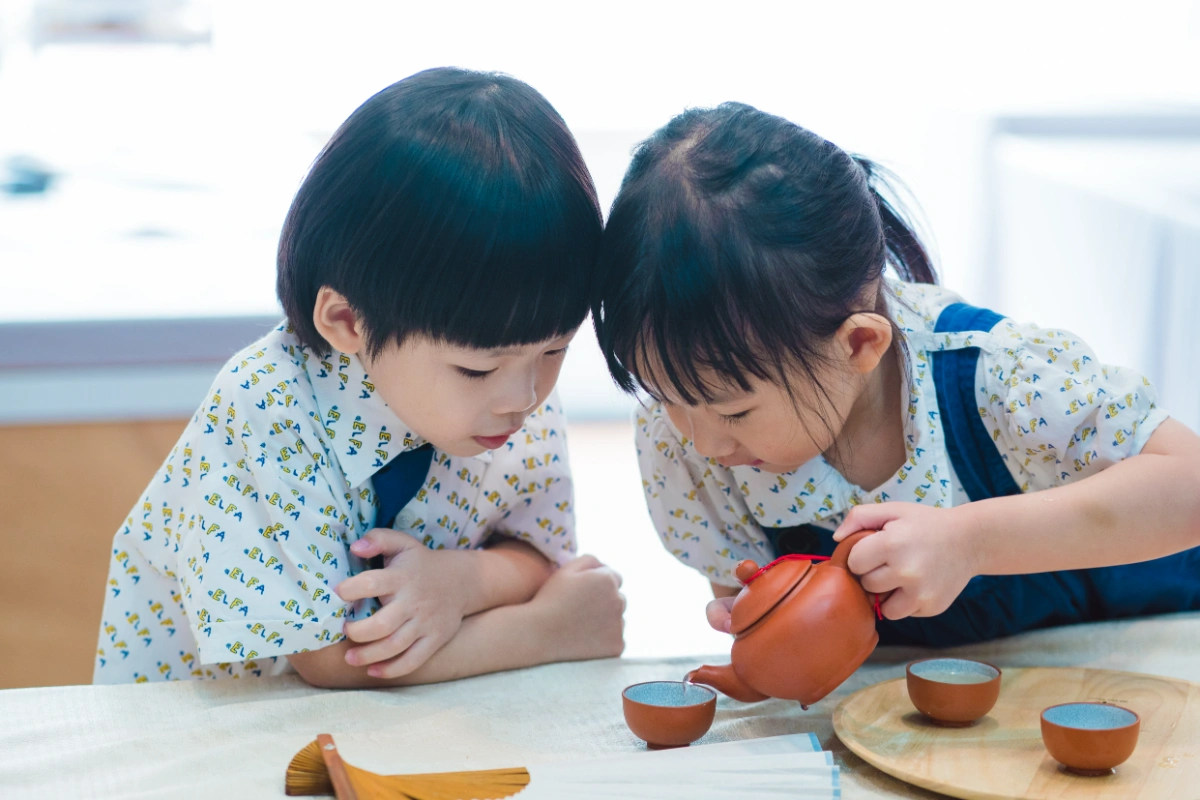
ELFA children exploring the art of tea appreciation
At ELFA Preschool, children are introduced to the tea serving in an age-appropriate, symbolic way. They learn how to hold the cup carefully with both hands, greet elders with auspicious phrases such as “新年快乐” and “身体健康”, and wait patiently as the tea is received. These simple actions nurture confidence, self-regulation, and social awareness, while helping children understand the value of filial piety (孝 – Xiào).
Through bilingual guidance, educators explain the meaning behind the practice in both English and Mandarin—helping children connect language with lived cultural experience. For young learners, tea serving becomes a powerful reminder that respect can be shown through small, thoughtful gestures and that traditions are carried forward through everyday acts of care.
Lo Hei: A Celebration of Senses and Social Skills
In Singapore, Lo Hei (捞鱼生) adds a uniquely local dimension to Chinese New Year celebrations. Tossing colourful ingredients high into the air feels like delightful chaos—but beneath the laughter lies rich sensory and developmental learning.
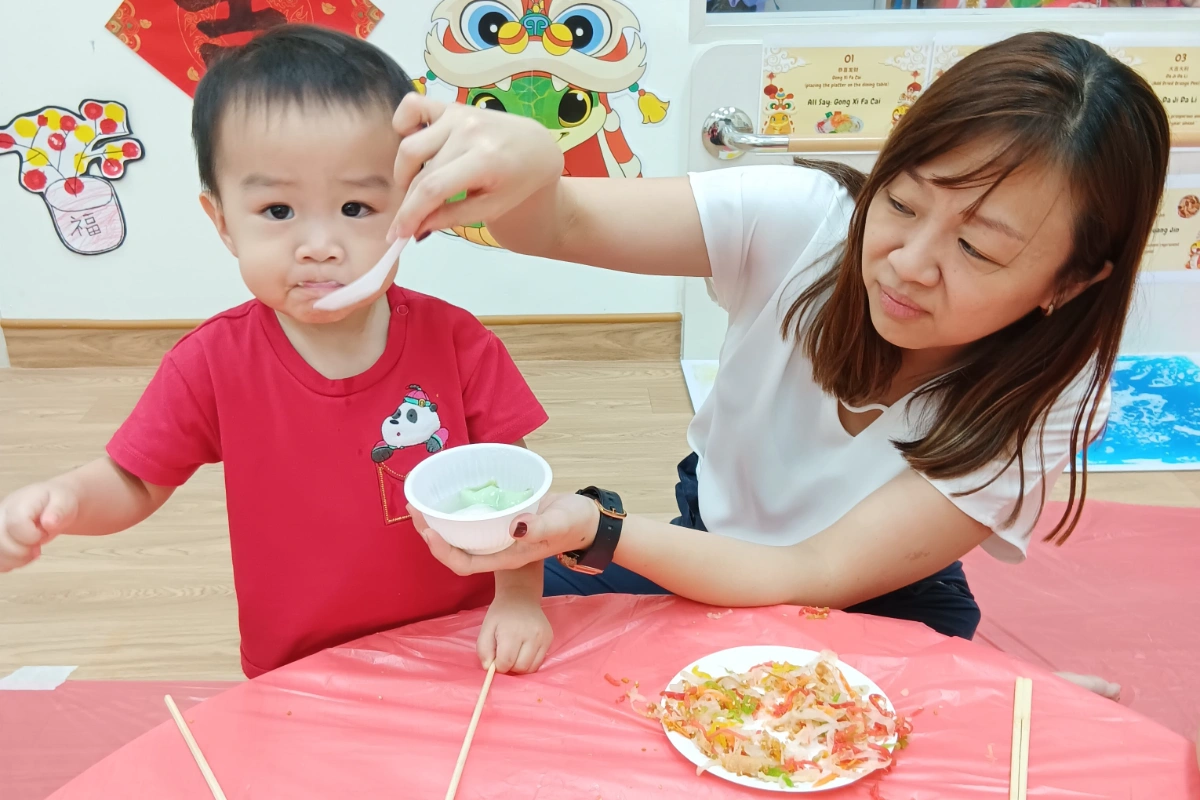
Little one enjoying Chinese New Year goodies, including a special Lo Hei treat with mummy
At ELFA, parents and grandparents join in, creating intergenerational moments that strengthen family bonds. Children learn the names of ingredients bilingually, practise auspicious greetings, explore textures, colours, and smells, and develop gross motor skills, cooperation, and listening. Through this playful celebration, children discover that learning is most natural—and memorable—through play and togetherness.
Little Hands, Big Heritage
From lion dance rhythms to calligraphy strokes, Chinese New Year is deeply hands-on, with each activity carrying cultural meaning.
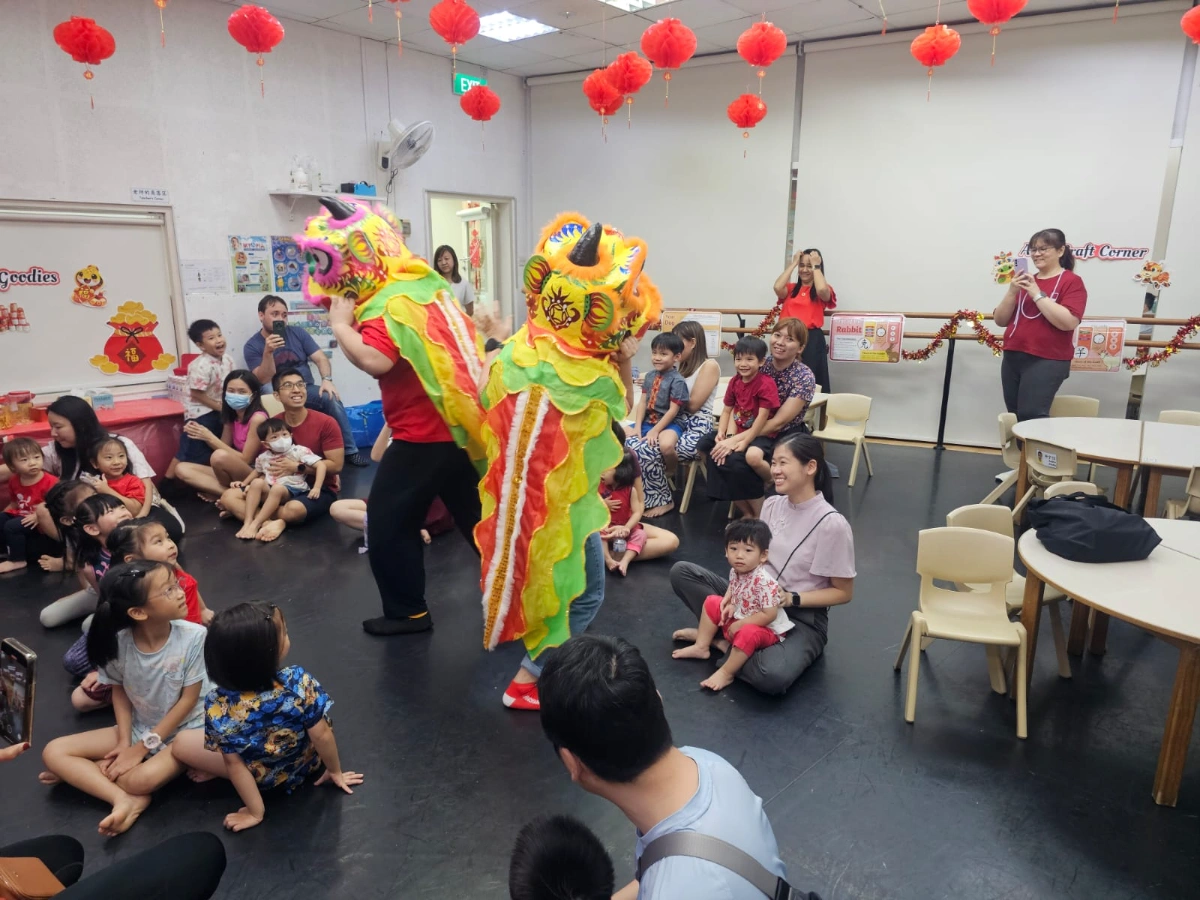
ELFA children and their families enjoy a lively lion dance performance by their educators, deepening their appreciation of its meaningful cultural heritage
- Lion dances bring luck, chase away negative energy, and introduce rhythm, coordination, and teamwork.
- Calligraphy allows children to practise writing characters like Fu (福), cultivating fine motor skills while appreciating the artistry of Chinese characters.
- Paper cutting (剪纸) teaches precision and creativity while introducing motifs symbolising prosperity, happiness, and longevity.
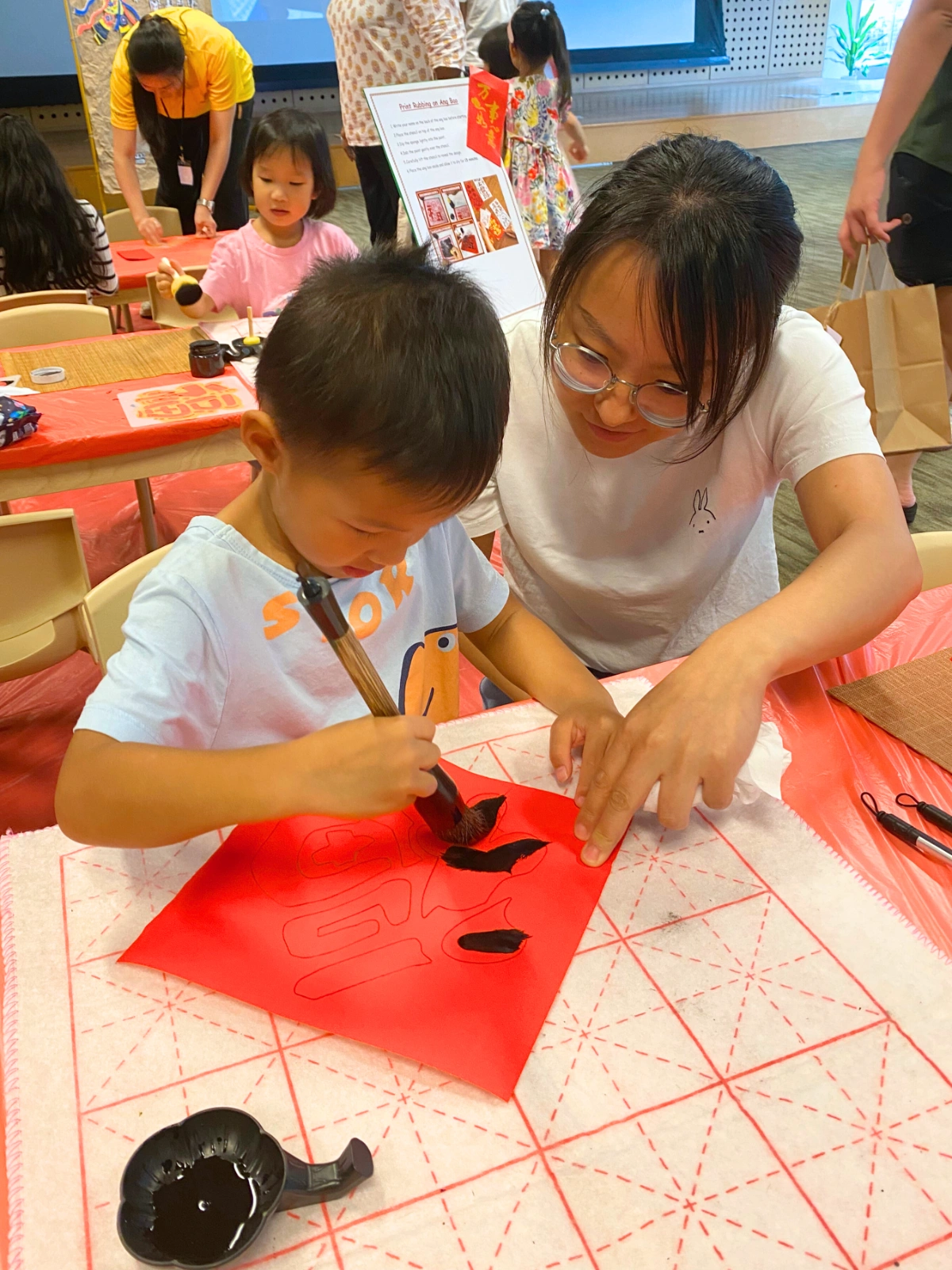
With ink, brush, and boundless imagination, children and their families discovered the art of Chinese calligraphy with ELFA educators at Jurong Library
At ELFA, these hands-on experiences strengthen fine motor skills, spark creativity, and deepen bilingual engagement. Children see, touch, hear, and do, all while connecting meaningfully with their heritage.
Proper Greetings: Knowing Family Titles
Last but not least, during Chinese New Year, greetings are an important way for children to show respect. Rather than calling every adult “auntie” or “uncle,” children are encouraged to use the proper family titles, such as “Yí Mā” (姨妈 – maternal aunt), “Yé Ye” (爷爷 – grandfather), or “Nǎi Nai” (奶奶 – grandmother).
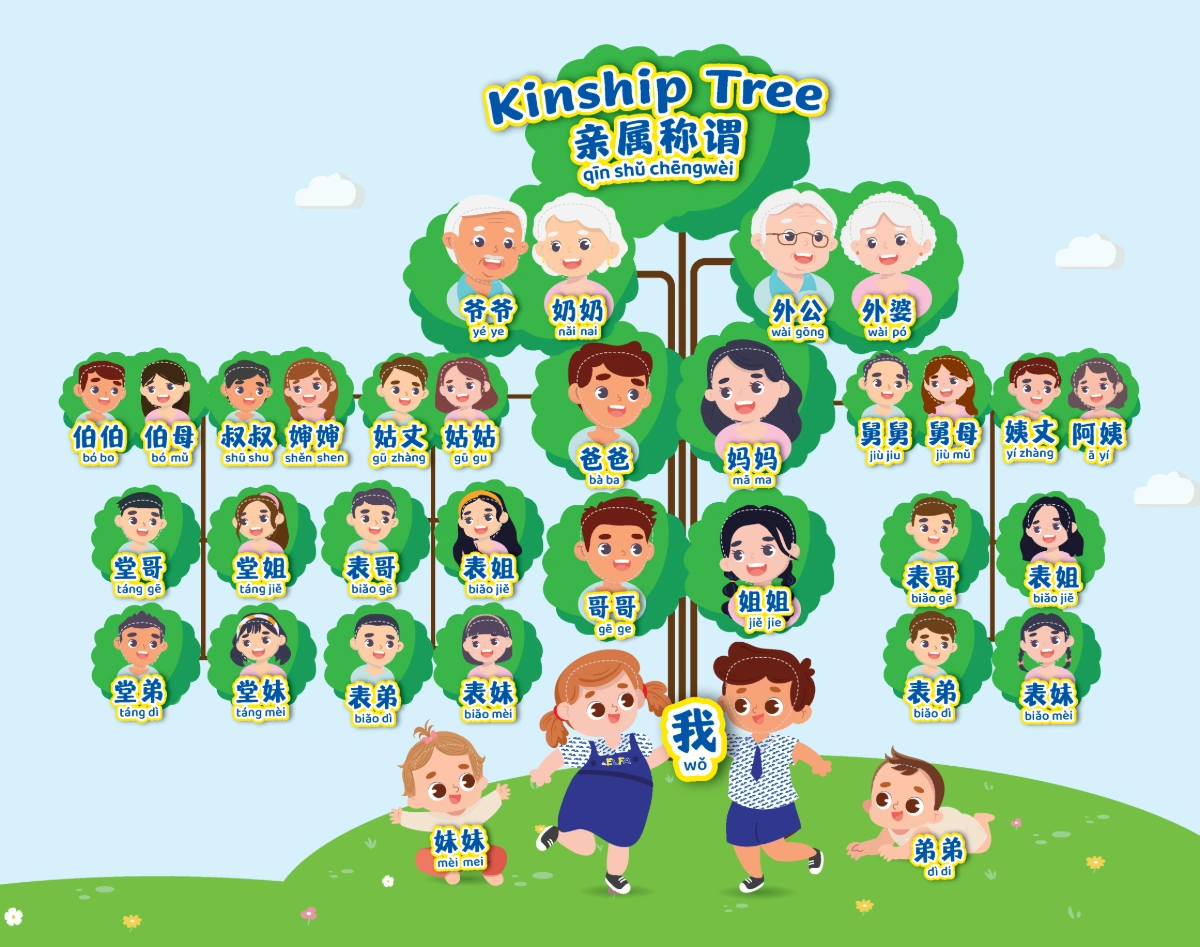
Using correct titles helps children connect personally with family members while practising manners and cultural etiquette. Combined with a smile, cheerful words, and polite gestures, such as using both hands, these greetings teach respect, mindfulness, and the joy of sharing good wishes.
Learn the right way to greet family this festive season—click here
马年快乐,健康幸福! (Mǎ nián kuài lè, jiàn kāng xìng fú!)
As families came together to share these meaningful moments, Chinese New Year became a season of love, gratitude, and togetherness—seen through the bright eyes of our children.
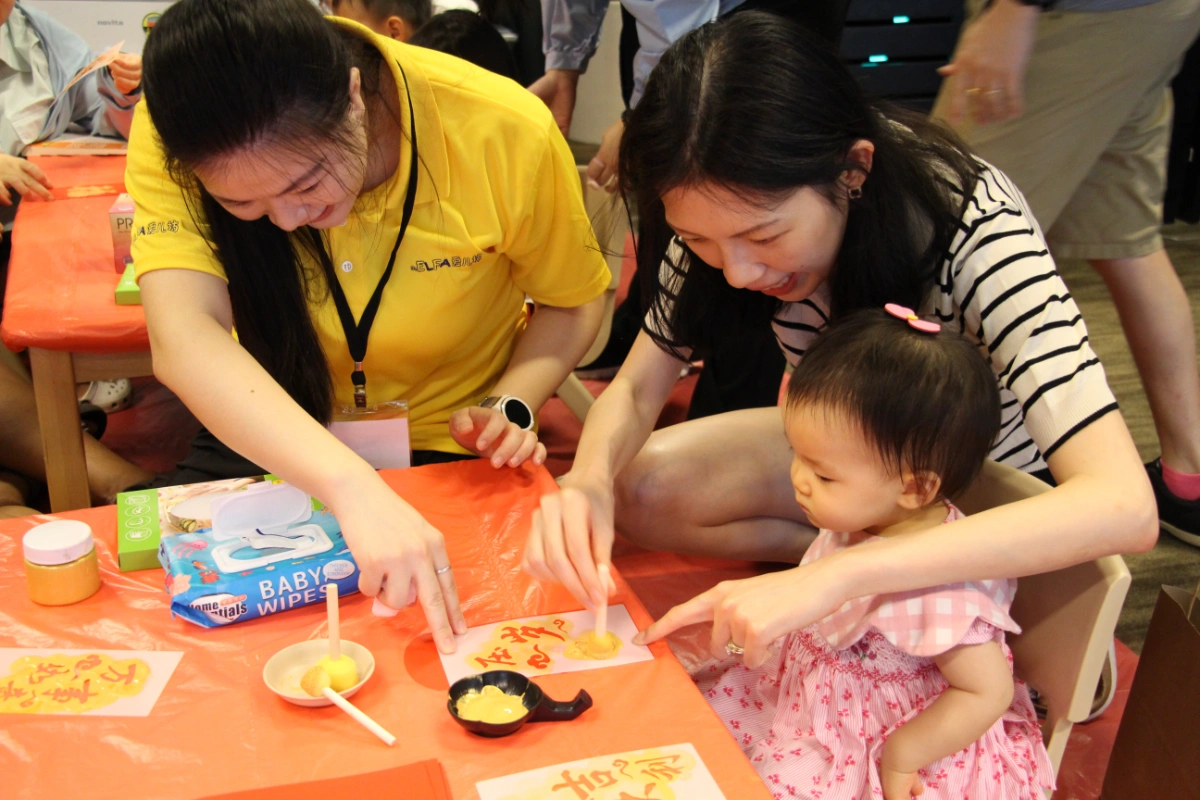
At Jurong Library, children and their families brought Chinese New Year greetings to life, creating beautiful art and craft pieces while learning auspicious Chinese phrases with the guidance of ELFA educators
On 7 February, ELFA Preschool took the gallop to spread festive joy with our community at Jurong East! Families and children joined us at Jurong Library to explore the wonders of Chinese New Year. The session was filled with creativity, fun, and the joyful excitement of Chinese New Year celebration.
Wishing all our ELFA families a Chinese New Year filled with warmth, good health, and joyful beginnings.
新年快乐!